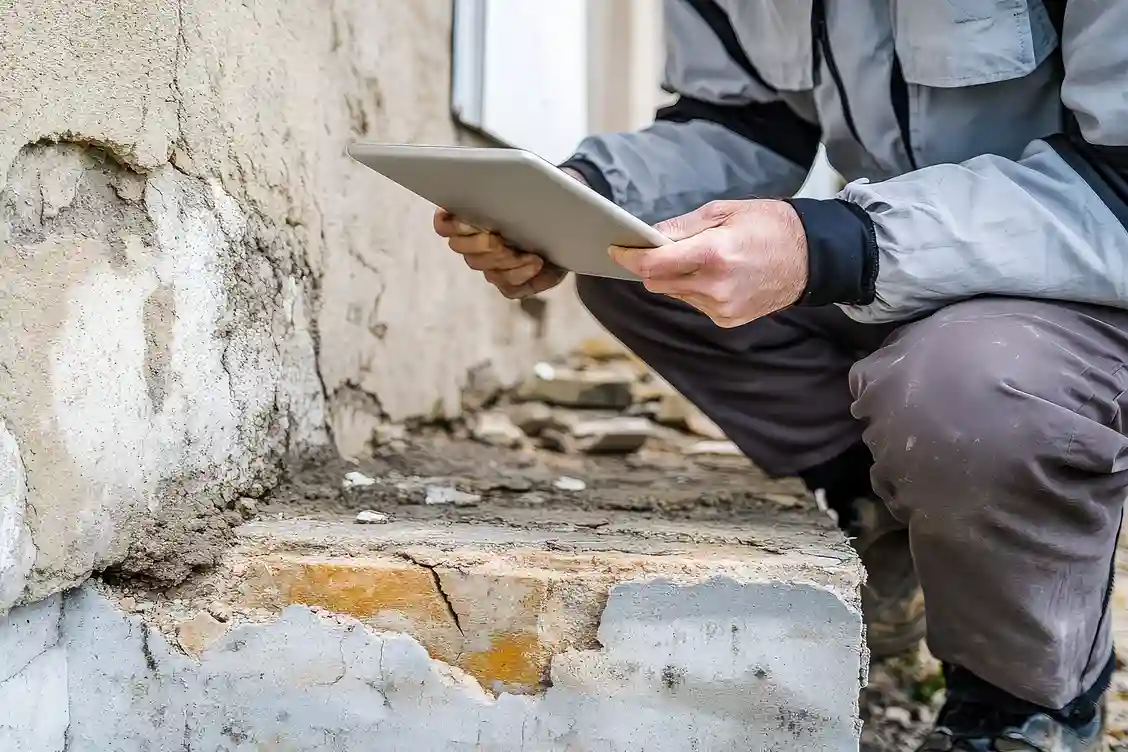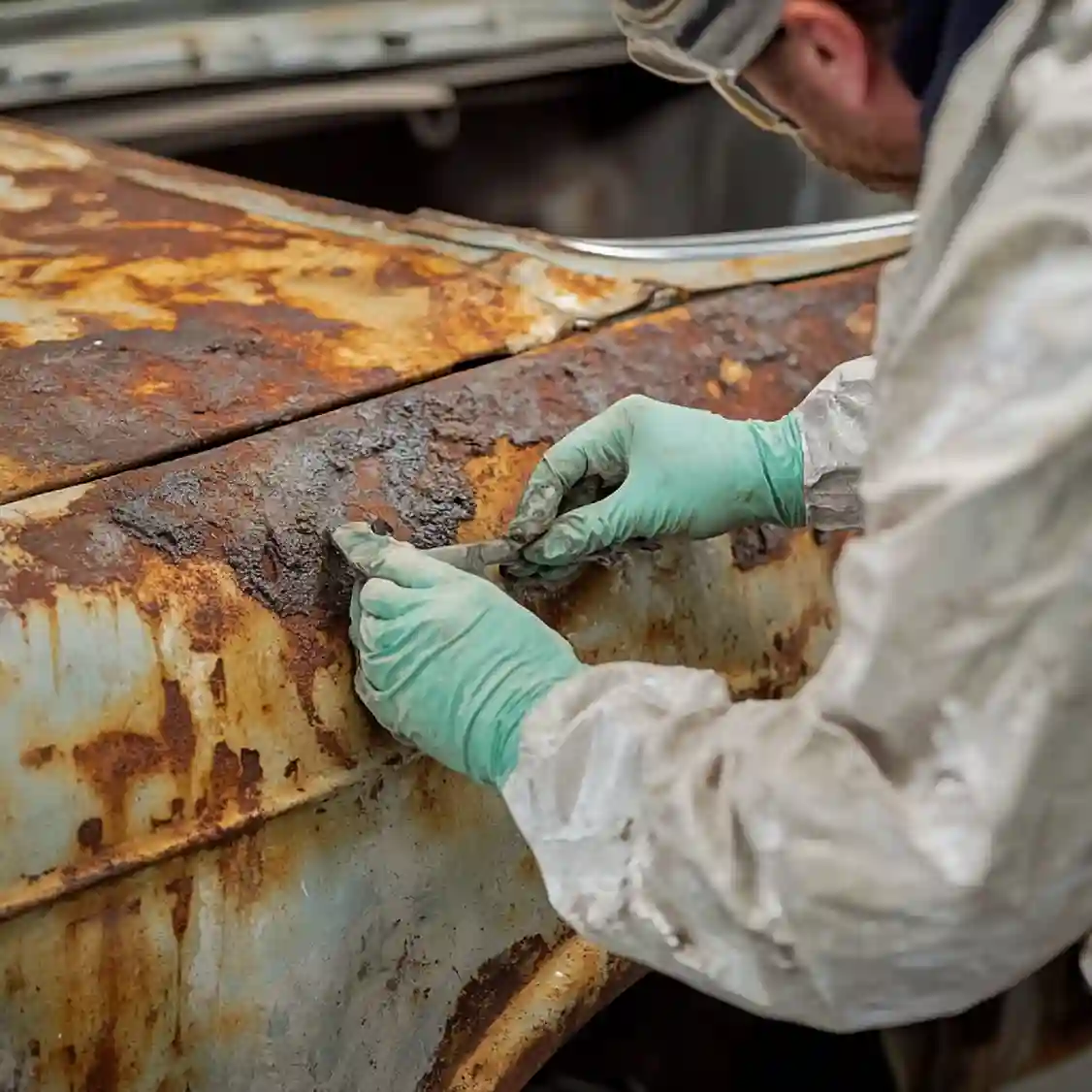

Many people choose condominium living specifically to escape the heavy maintenance burdens of a traditional standalone house. It is easy to think that if your unit sits on the third floor of a concrete and steel building, you are completely safe from wood-destroying pests.
The reality is that termites don’t care about property lines.
If your condo contains drywall, wooden baseboards, cabinetry, or hardwood flooring, it contains cellulose, the exact food source termites hunt for which is why you need to opt for regular termite inspections.
Do I Need a Termite Inspection for a Condo
If you are currently navigating a real estate transaction, the short answer is almost always yes. But even if you have lived in your unit for years, the threat remains highly relevant. When considering a termite inspection for a condo, keep these three core realities in mind:
The Interconnected Problem
Condos are physically attached to one another. If a ground-level unit develops a subterranean termite infestation, those pests can easily travel upward through shared wall studs. A localized pest problem in Unit A can quietly become a structural issue for neighboring units within a matter of months.
Mortgage Lender Mandates
If you are buying a condo using an FHA, VA, or conventional mortgage loan, your lender will frequently mandate a Wood-Destroying Organism (WDO) clearance before closing. Lenders want to verify that the structural framing securing their investment is completely free from active infestations, regardless of whether the property is a standalone house or a multi-family building.
Insurance Gaps
Standard condo insurance policies (HO-6 policies) view termite damage as a preventable maintenance issue. According to the insurance industry standards, regular property upkeep is entirely the owner’s responsibility. If termites destroy your unit’s internal drywall or custom kitchen cabinets, your insurance carrier will not pay for the repairs.
The HOA vs. Unit Owner Blur
One of the most confusing parts of condo ownership is figuring out who pays when things go wrong. While rules vary depending on your specific Covenants, Conditions, and Restrictions (CC&Rs), the division of termite maintenance generally follows a simple rule of thumb:
- The HOA’s Responsibility: The association typically covers the “walls-out” segments of the building. This includes the exterior siding, shared structural roof trusses, common areas, concrete foundations, and crawl spaces.
- The Unit Owner’s Responsibility: You are generally responsible for everything from the “walls-in.” This means your interior drywall, flooring, trim, cabinetry, and any personal wooden furniture.
If termites enter through a common structural beam but chew their way into your expensive kitchen cabinets, resolving the repair bills can become a massive legal headache. Having your own certified inspection report protects your interests and helps establish exactly where the activity originated.
The Condo Termite Inspection Checklist
A standard condo termite inspection checklist focuses heavily on these vulnerable zones:
- Plumbing Penetrations: Subterranean termites require moisture to survive. Inspectors closely check the dark areas beneath kitchen and bathroom sinks, behind toilets, and around laundry connections, as termites frequently follow utility pipes right through concrete slabs.
- Baseboards and Drywall Paper: Termites eat the paper backing of standard drywall. The inspector will check for faint blistering, hollow spots, or tiny, pin-sized holes in your drywall and baseboards.
- Window Sills and Door Frames: These areas are primary entry points for Drywood termites, which fly into units during seasonal swarming cycles. Inspectors look for physical damage to the wood or small piles of fecal pellets (known as frass) that resemble tiny grains of sand.
- Accessible Attics or Balconies: If you own a top-floor unit with attic access or an exclusive-use wooden balcony, the inspector will check the exposed structural framing for signs of wood-decay fungi or active tunneling.
Catch the Silent Destroyers Early
Termites are often called silent destroyers because they can chew through wood from the inside for years without showing any external signs of damage. In a condo environment, where units are tightly packed together, staying proactive is doubly important.
Schedule your inspection with The BrickKicker. We provide quick, non-invasive, and highly detailed termite inspections tailored specifically to multi-family properties.