
According to the Centers for Disease Control and Prevention (CDC), radon gas is responsible for about 21,000 lung cancer deaths every single year in the United States. It is the top cause of lung cancer for people who do not smoke.
The scariest part is that you cannot see, smell, or taste this gas. It could be filling your living room right now while you watch TV with your kids.
This blog will help you understand how this gas sneaks into your house and what you can do to stop it. You will learn why checking your property is the only way to stay safe and how the process works. By the end, you will have a clear plan to protect your family from this invisible threat.
How Radon Levels in Homes Actually Build Up
Radon comes from the natural breakdown of uranium in the soil and rocks beneath your foundation. Since the air pressure inside your home is usually lower than the pressure in the soil, your house acts like a giant vacuum.
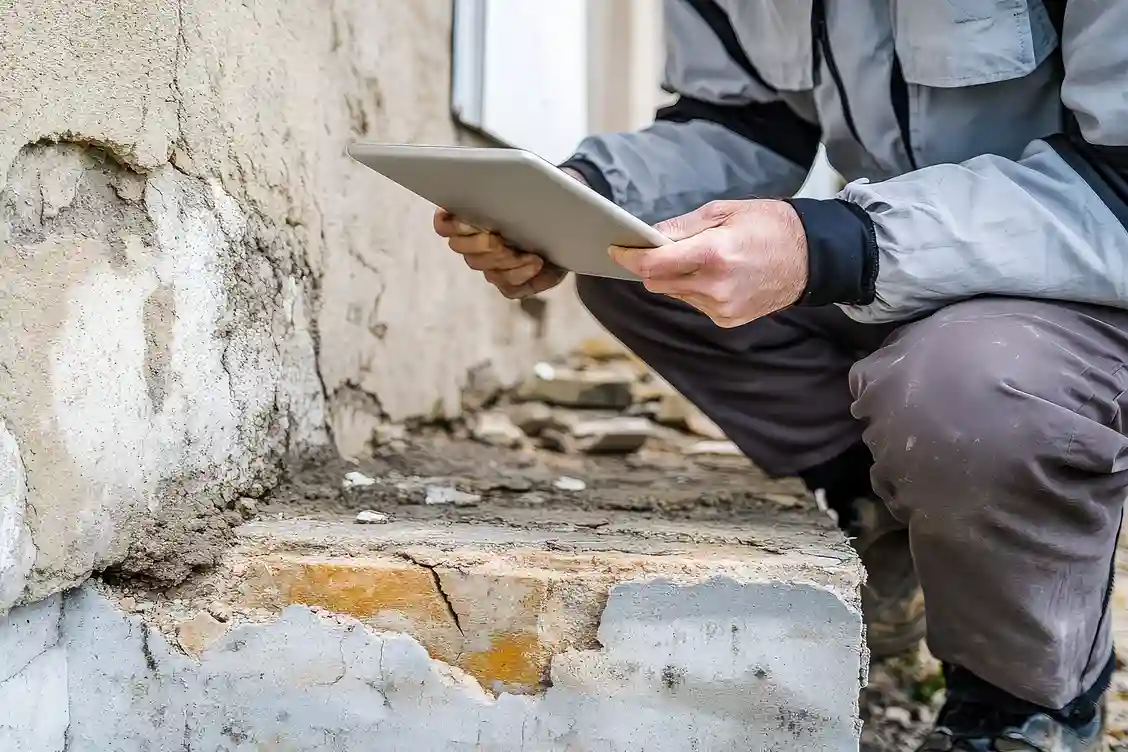
It sucks the gas up through tiny cracks in the floor, sump pumps, and gaps around pipes. It does not matter if your house is brand new or a hundred years old. High radon levels in homes are common, despite their age, build quality, and cost.
The gas gets trapped inside and accumulates to levels much higher than those you find outdoors.
The Famous Case of Stanley Watras
A man named Stanley Watras made history in 1984 because of a massive radon problem in his house. He was an engineer at a nuclear power plant in Pennsylvania.
One morning, he set off the radiation monitors as he entered the plant to go to work. The strange thing was that he had not even started his shift yet. The radiation was not coming from the power plant: it was coming from his own clothes.
Investigators found that his home had radon levels nearly 700 times the safe limit. This event showed the world that any home can become a dangerous trap without anyone realizing it.
Why You Should Care About Radon Testing
The only way to know if your family is safe is through professional radon testing. The EPA suggests that every homeowner should test their living spaces at least once every few years.
If you are buying or selling a house, this test is often a standard part of the inspection process. It is a simple step that provides a huge amount of data about your indoor environment.
Without a test, you are basically playing a guessing game with your long-term health. Getting a pro to handle it ensures the sensors are placed in the right spots for the most accurate reading.
Understanding the Safe Limits for Your Family
The strength of radon is measured in picocuries per liter (pCi/L). The EPA recommends taking action if your home measures 4.0 pCi/L or higher. However, they also suggest considering repairs if your levels are between 2.0 and 4.0 pCi/L.
There is no truly safe level of radon, but the goal is to get it as low as possible. Think of it like radiation from the sun: a little is normal, but too much is a serious problem. Professional reports give you a clear average of your home’s air quality over several days.
How the Testing Process Works
Most experts use a continuous monitor that stays in your home for 48 to 72 hours. These devices track the fluctuations in gas levels hour by hour. You have to keep your windows and doors closed as much as possible during the test.
This gives the inspector a worst-case-scenario look at the air you breathe when the house is sealed up. After the time is up, the inspector downloads the data and creates a detailed report.
If the numbers are high, they can help you figure out the best way to vent the gas out.
Fixing the Problem With Mitigation Systems
If your test results come back high, do not panic. High radon levels in homes can be fixed fairly easily with a mitigation system. This usually involves a vent pipe and a specialized fan that pulls the gas from under your house.
The fan runs continuously, pushing radon safely into the air above your roof. It is a proven method that can drop dangerous levels to almost zero. Most systems can be installed in a single day by a qualified professional.
It is a small price to pay to ensure your basement is safe for your kids to play in.
Staying Vigilant for a Healthier Future
Once you have a system in place, you should still retest every few years to make sure it is working. Ground shifts or new cracks in the foundation can change how the gas enters your home.
Being proactive about radon testing is one of the smartest things you can do as a homeowner. It turns a scary, invisible danger into a manageable maintenance task. You can sleep better knowing you have taken the necessary steps to keep the air clean.
Your home should be the safest place on earth for your family.
Protect Your Living Space Today
Keeping your family safe starts with knowing exactly what is in your air. If you have never checked your home for dangerous gases, now is the perfect time to start.
The BrickKicker is a professional home inspection company that understands the risks of your local soil.
Our team uses advanced equipment to provide fast, accurate results for high radon levels in homes you can trust. We walk you through the entire process and explain your report in plain English.
Contact us today to book your inspection and make sure your home is a healthy sanctuary.