

Keep Your Commercial Space Safe & Code-Compliant
Maximum occupancy load signs are required by law and play a critical role in fire safety and emergency planning.
What Are Maximum Occupancy Load Signs?
Maximum occupancy load signs indicate the highest number of people legally permitted in a specific room or building space at one time. These limits are established to ensure safe movement, proper ventilation, and efficient evacuation during emergencies.
In commercial properties, occupancy limits are not optional; they are mandated by building and fire codes. Proper signage demonstrates that your property complies with safety regulations and prioritizes occupant protection.


Why Are Maximum Occupancy Load Signs Important?
Maximum occupancy load signs are required by local building codes and fire safety regulations. Their purpose is to prevent overcrowding and reduce risk during emergencies such as fires or evacuations.
Overcrowded spaces can lead to:
Blocked exits
Delayed evacuations
Increased injury risk
Code violations and fines
Liability exposure for property owners
For business owners and property managers, maintaining proper occupancy signage helps ensure:
Compliance with fire marshal requirements
Safer working environments
Proper emergency planning
Reduced legal risk
How Is Maximum
Occupancy Calculated?
Maximum occupancy is calculated using a formula established by the International Building Code (IBC) and local authorities.
The general formula:
Room Area ÷ Occupant Load Factor = Maximum Occupancy
The occupant load factor (square feet per person) varies by space type.
For example:
Offices typically allow more square footage per occupant
Assembly areas (conference rooms, restaurants) allow less
Warehouses have different calculations based on usage
Because each property type has unique requirements, occupancy must be calculated according to the building’s designated use classification.

Where Should Maximum Occupancy Signs Be Posted?
Signage must also remain undamaged and readable at all times.
To remain compliant, occupancy signs should be:
Clearly Displayed
Posted in visible areas without obstruction from furniture, décor, or equipment.
Easily Legible
Printed in bold, durable lettering on a contrasting background for clear visibility.
Properly Positioned
Installed near exits and typically mounted at least 48 inches above the finished floor.
What Happens If You Exceed Maximum Occupancy?
Exceeding the posted occupancy limit can result in:
Fire code violations
Fines and penalties
Forced business shutdowns
Increased insurance liability
Elevated risk during emergency evacuations
For commercial property owners, compliance is both a legal obligation and a safety responsibility.
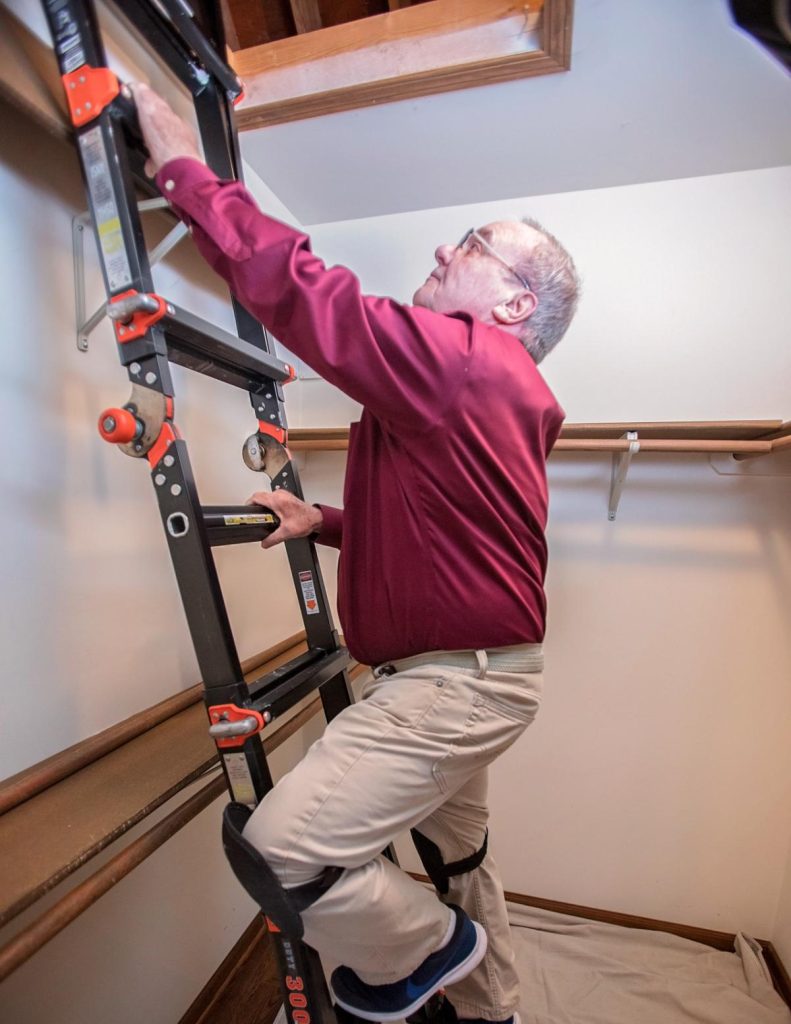
How Commercial Inspections Help with Occupancy Compliance
During a commercial inspection, occupancy compliance is part of the broader safety review. Inspectors evaluate:
- Exit access and width
- Egress pathways
- Fire and life safety features
- Visible code compliance concerns
- Signage presence and condition
Ensuring proper occupancy signage is a small but critical part of maintaining a safe and code-compliant commercial space.
Stay Code-Compliant with Professional Commercial Inspections
Whether you manage office space or an industrial facility, a commercial inspection can help identify safety gaps and compliance concerns before they become violations.