

Black Mold: Risk or Rumor?
Understand the health risks, warning signs, and when professional mold testing may be necessary to protect your home and indoor air quality.
Is Black Mold Dangerous?
Black mold is one of the most common concerns homeowners have when they discover dark stains or musty odors inside their property. But how dangerous is it really?
Well, black mold can pose health risks, especially when left untreated. While not all black mold is toxic, certain types can negatively affect indoor air quality and aggravate existing health conditions.
If you’re buying, selling, or maintaining a home, understanding the risks of black mold can help you protect your health and property.
What Dangers Are Associated with Black Mold?
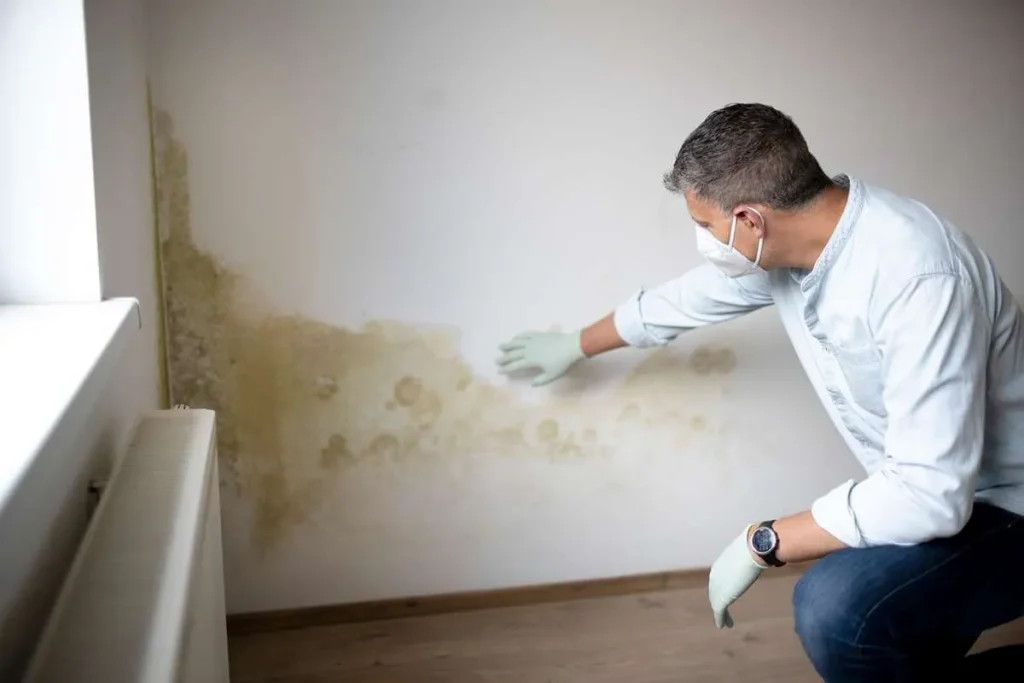
“Black mold” is a general term often used to describe dark-colored mold growth. One species commonly associated with health concerns is Stachybotrys chartarum, which produces mycotoxins. If exposure is prolonged or if individuals in the home have sensitivities, black mold can contribute to symptoms such as:
Persistent cough
Sinus congestion
Irritated eyes
Skin irritation
Headaches
Wheezing
Worsening asthma symptoms
Individuals who may be more sensitive are:
Children
Elderly individuals
Those with asthma or allergies
People with weakened immune systems
Even when mold is not toxic, it can still affect indoor air quality and trigger allergic reactions.
Can Black Mold Cause Death?
Black mold is not typically deadly. Severe health complications directly caused by mold exposure are rare. However, long-term exposure to damp environments can contribute to chronic respiratory issues or worsen pre-existing conditions. The real risk increases when there is:
- High concentrations of airborne mold spores
- Unresolved moisture problems
- Large, hidden growth areas
While panic isn’t necessary, ignoring mold growth is never recommended.

How to Treat Black Mold?
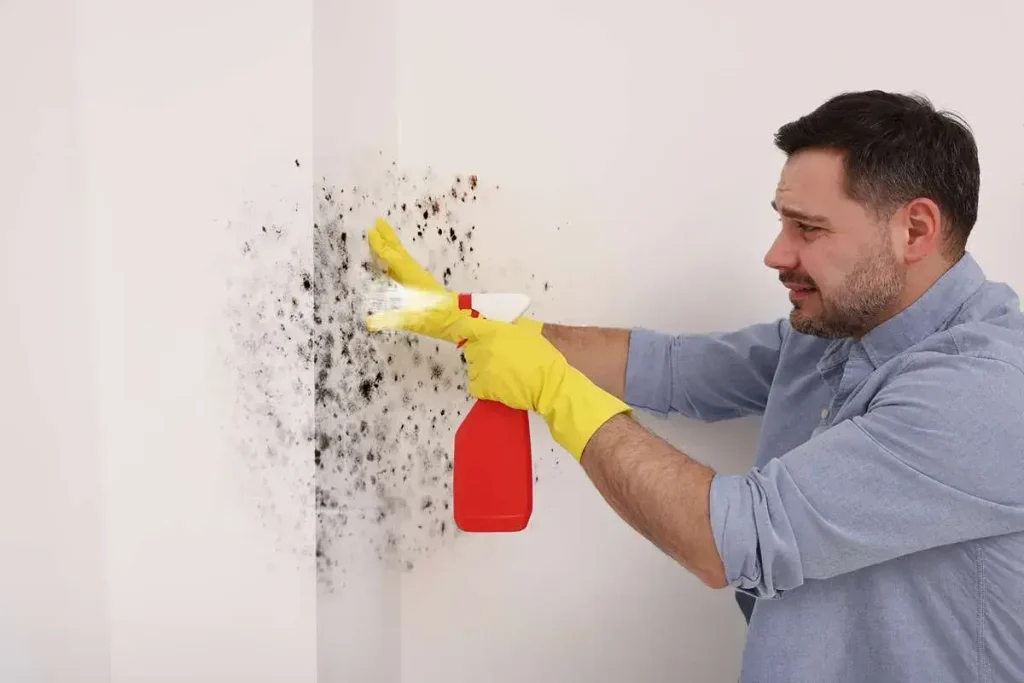
Small areas of surface mold on non-porous materials can sometimes be cleaned carefully.
Common methods include:
Bleach Solution
Bleach can be effective for removing mold from non-porous surfaces such as tile, glass, and countertops. However, it does not penetrate porous materials like drywall or wood, which means mold roots may continue to grow.
White Vinegar
White vinegar is a natural option that can help kill mold on certain surfaces. Because it can penetrate some porous materials, it may be more effective than bleach for small mold patches on wood or drywall.
Hydrogen Peroxide (3%)
A 3% hydrogen peroxide solution can be applied directly to mold-affected areas. Allow it to sit briefly before scrubbing, as it helps break down mold growth without producing harsh fumes.
⚠ Important:
Cleaning visible mold does not address hidden growth or the underlying moisture issue. Without correcting the source of moisture, mold often returns. For larger areas or recurring mold, professional evaluation is strongly recommended.
Is All Black Mold Toxic?
No, not all black mold is toxic. Many molds can appear dark, but do not produce harmful toxins. However:
Mold growth indicates excess moisture.
Mold can trigger allergic reactions.
Any persistent mold problem should be addressed.
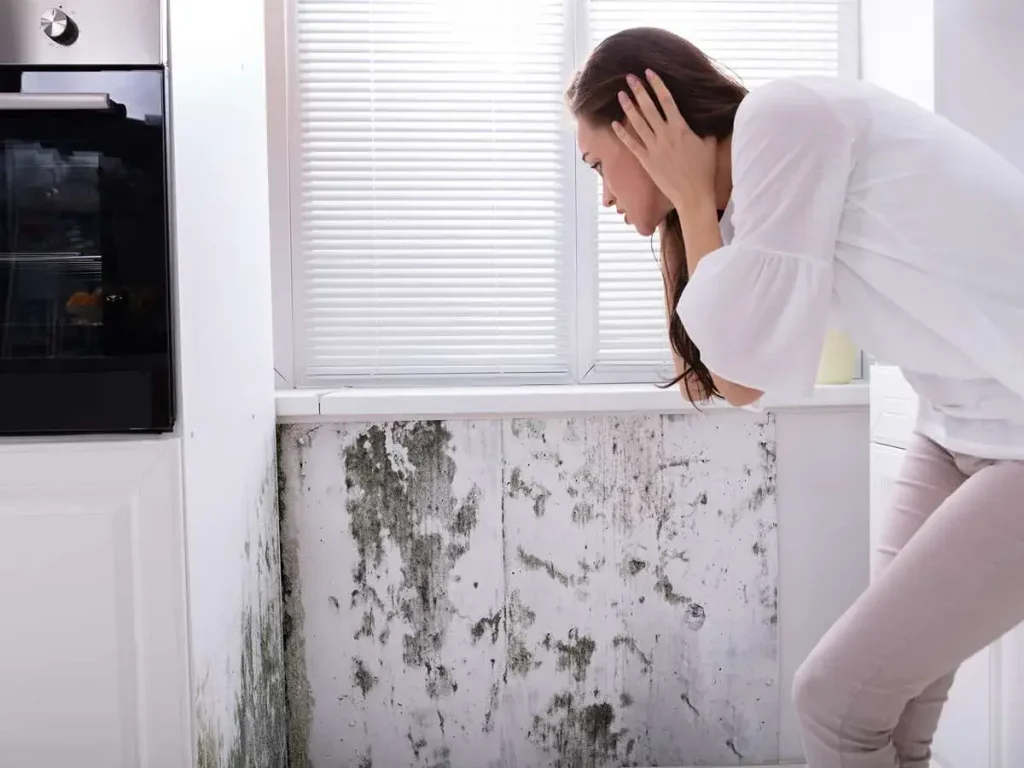
The color alone does not determine danger. Proper testing is the only way to identify the type of mold present.
When Should You Schedule Mold Testing?
You should consider mold inspection or testing if:
You notice visible mold growth
There is a persistent musty odor
You’ve experienced recent water damage
You are buying or selling a home
Family members have unexplained respiratory symptoms
Professional mold testing helps determine:
Whether mold spores are elevated indoors
The type of mold present
The extent of contamination
Whether remediation is needed
Testing provides objective data instead of guesswork.
Protect Your Home From Black Mold
Most mold problems can be managed effectively when identified early. The key is addressing both the visible growth and the moisture source that caused it. If you suspect mold in your home, professional testing can provide clear answers and guidance on the next steps, such as:
- Fix leaks immediately
- Maintain proper ventilation
- Use dehumidifiers in damp areas
- Ensure proper drainage around the foundation
- Inspect high-risk areas regularly
The longer moisture remains, the greater the chance of mold developing.
Worried About Black Mold?
Book an Inspection Today!
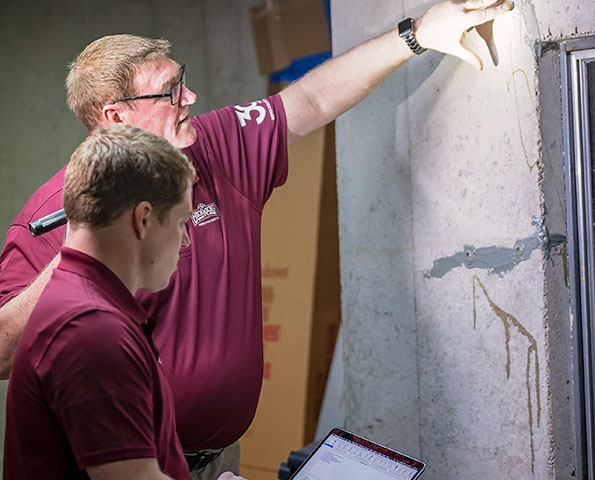
The BrickKicker provides professional mold testing services to help homeowners, buyers, and sellers make informed decisions about indoor air quality.