

Be Ready When It
Matters Most
Proper fire extinguisher maintenance helps protect your property and ensure compliance with safety standards.
Fire Extinguisher Maintenance and Care
Fire extinguishers are one of the most important safety tools in any home or commercial property. However, they are only effective if properly maintained.
Routine fire extinguisher maintenance ensures the unit functions correctly during an emergency.
Whether in a residence, office, retail space, or industrial facility, regular inspection helps reduce risk and maintain compliance with safety standards.

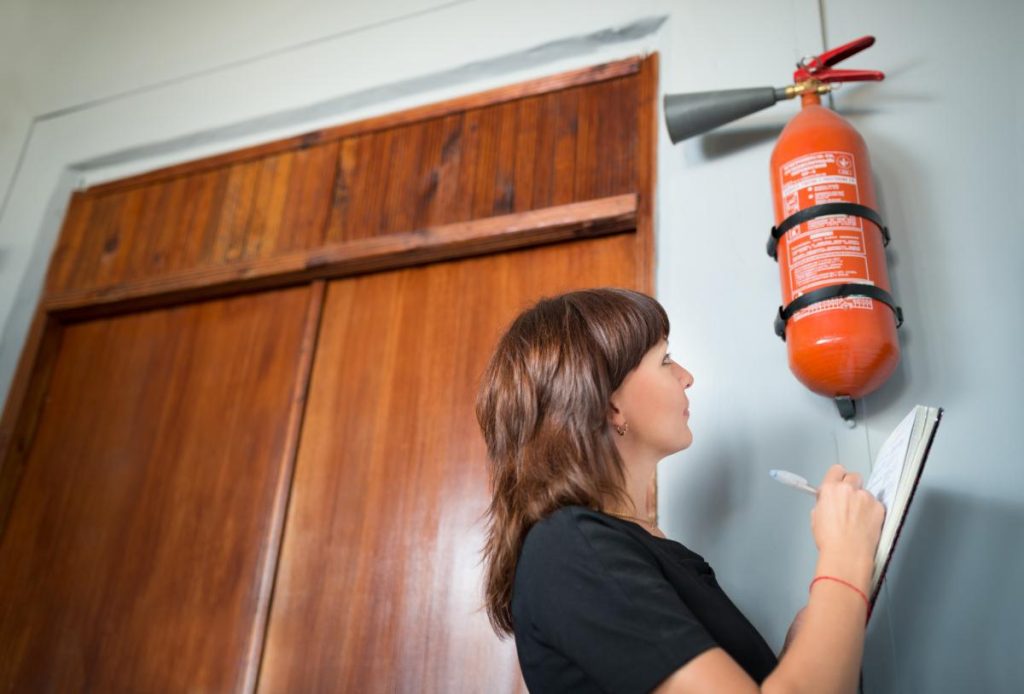
Why Fire Extinguisher Maintenance Matters
A fire extinguisher that fails during an emergency can result in significant property damage, injury, or code violations. Maintenance helps ensure:
Proper internal pressure
Compliance with safety regulations
Functional discharge mechanisms
Readiness during unexpected fires
Safe storage conditions
Regular checks are a simple yet critical part of any home maintenance or commercial safety program.
Types of Fire Extinguishers
Fire extinguishers are classified based on the type of fire they are designed to control.
Class A
Used for ordinary combustible materials such as wood, paper, cloth, and plastics.
Class B
Designed for flammable liquids and gases, including gasoline, propane, and certain solvents.
Class C
Intended for electrical fires involving wiring, panels, or energized equipment.
Class K
Commonly used in commercial kitchens, this type is designed to suppress grease and cooking oil fires.
Best Option for Homes
For residential use, an ABC multi-purpose fire extinguisher is typically recommended. These units are rated to handle common household fire types, allowing for quick action without confusion.
Where Should Fire Extinguishers Be Placed?
Proper placement improves accessibility and response time.
For homes:
- At least one extinguisher per floor
- Near the kitchen
- In the garage
- Easily accessible and unobstructed
For commercial properties:
- Mounted in visible, accessible locations
- Installed according to local fire codes
- Positioned near exits and high-risk areas
Obstructed or improperly mounted extinguishers can delay emergency response.
How Often Should Fire Extinguishers Be Inspected?
Most fire extinguishers have a lifespan of 5 to 15 years, but annual visual inspections are recommended. Commercial properties may require more frequent documented inspections depending on local regulations.
During a visual check, we look for:
Pressure Gauge Status
The needle should remain in the green zone, indicating adequate internal pressure.
Physical Condition
Check for dents, corrosion, leaks, or rust that may compromise performance.
Safety Pin and Seal
Ensure the pin is intact and the tamper seal is unbroken.
Nozzle and Hose
Verify that the hose is not cracked, clogged, or damaged.
What About Pressure Testing?
Hydrostatic testing and internal pressure testing are specialized procedures that must be performed by certified professionals. These tests verify the structural integrity of the extinguisher cylinder.
Homeowners and property managers should not attempt to discharge or test the extinguisher themselves unless properly trained. Also, if you are unsure whether your fire extinguishers meet safety standards, a professional evaluation is recommended.
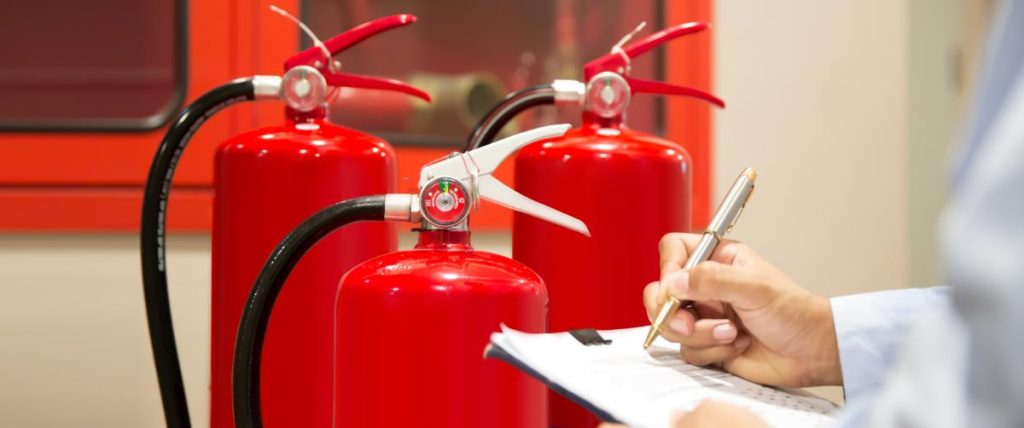
Fire Extinguisher Maintenance for Commercial Properties
Commercial buildings often require documented inspection schedules to remain compliant with fire safety regulations. During a commercial property inspection, safety components such as:
- Fire extinguishers
- Exit signage
- Emergency lighting
- Egress paths
may be visually evaluated as part of a broader safety assessment. Maintaining compliance helps reduce liability and avoid potential penalties.
Stay Prepared with Professional Inspection Services
Fire extinguisher maintenance is a small step that can make a major difference during an emergency, which is why routine inspections are vital.