
Planning a renovation in an older home comes with a few extra things to think about, especially if you have kids.
One of the biggest concerns is lead-based paint, which can still be present in homes built years ago. It’s not always visible, but certain renovation activities like sanding or scraping can release harmful dust into the air.
That’s why it’s important to check before starting any work.
In this blog, we’ll go over why lead paint inspections matter and how they help protect your family during renovations.
Why Lead Paint is Still a Concern
Lead-based paint was banned for residential use in 1978. But millions of homes built before that year still contain it. According to the U.S. Environmental Protection Agency (EPA), lead-based paint is still present in millions of homes, normally under layers of newer paint.
The danger isn’t just the paint on the walls, it’s the dust created when that paint is disturbed. When you renovate, sand, scrape, drill, or tear out old materials, microscopic lead particles can become airborne. Children are especially vulnerable.
Why Lead Exposure Is Dangerous for Children
Lead is toxic, especially to developing brains. The Centers for Disease Control and Prevention (CDC) states that no safe blood lead level in children has been identified. Even low levels of lead exposure can impact learning ability, attention span, and behavior. Young children are at higher risk because they:
- Crawl on floors where dust settles
- Put hands and objects in their mouths
- Absorb lead more easily than adults
Lead exposure often has no immediate symptoms. That’s what makes it dangerous — it can quietly cause harm over time. If you’re renovating in a pre-1978 home, this risk becomes very real.
What Is a Lead Paint Inspection
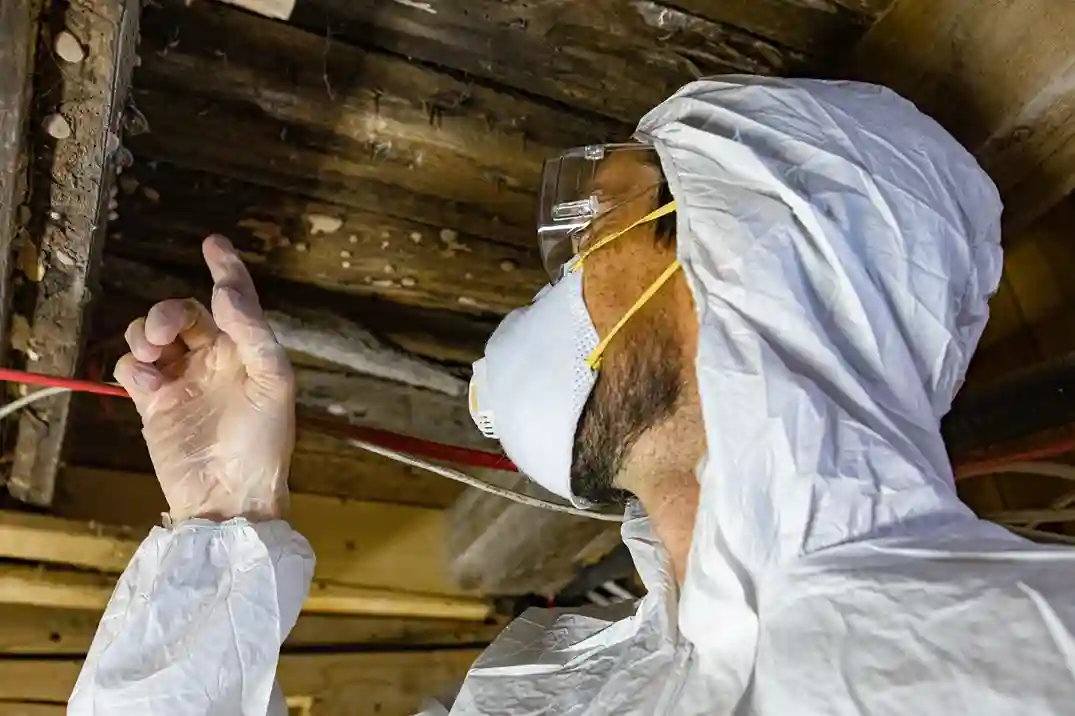
A lead paint inspection determines whether lead-based paint is present in your home. Certified professionals use specialized tools, often X-ray fluorescence (XRF) analyzers, to test painted surfaces without damaging them. This inspection can identify:
- Which surfaces contain lead-based paint
- Whether the paint is deteriorating
- Areas that may pose risk during renovation
It’s important to understand the difference between a simple test kit and a certified inspection.
Renovating Without Testing? That’s Where the Risk Starts
Here’s where many families unintentionally create exposure. You decide to:
- Replace old windows
- Remove trim
- Remodel a bathroom
- Open up walls
- Sand old doors
All of these activities disturb painted surfaces. If lead-based paint is present, dust contamination can spread far beyond the renovation area into HVAC systems, carpets, furniture, and children’s toys. That’s why federal law addresses renovation safety directly.
Understanding RRP Rule Safety
The EPA’s Renovation, Repair, and Painting (RRP) Rule requires contractors working in homes built before 1978 to follow specific lead-safe practices. This is what we mean by RRP rule safety. The RRP Rule requires:
- Contractors to be EPA-certified
- Proper containment of work areas
- Dust minimization techniques
- Thorough cleanup procedures
- Lead-safe work practices
If you hire a contractor for a renovation in an older home, ask: Are you EPA RRP-certified? If they hesitate or don’t know what you’re referring to, that’s a red flag. The rule exists specifically to protect children and families during renovation projects.
Why Parents Should Never Skip a Lead Paint Inspection
If you’re planning renovations in an older home, a lead paint inspection provides clarity before you begin. Here’s why that matters:
- It Protects Your Children: Knowing whether lead is present helps you take appropriate precautions.
- It Helps You Plan Safety Renovations: If lead-based paint is found, you can hire certified professionals trained in RRP rule safety protocols.
- It Reduces Legal and Liability Risks: If you own rental property or plan to sell, federal law requires disclosure of known lead-based paint hazards.
A documented inspection gives you accurate information.
What Happens If Lead Is Found
Finding lead-based paint doesn’t mean your home is unsafe. It means you need to manage it properly. Options may include:
- Encapsulation (sealing the paint)
- Professional removal
- Specialized containment during renovation
- Ongoing monitoring
Lead is most dangerous when it’s deteriorating or disturbed. Stable, intact lead-based paint can often be safely managed when handled correctly. First of all, you must know if the lead is present there.
Simple Steps Parents Can Take Right Now
If you live in an older home built before 1978, here are some proactive steps you should take:
- Check your home’s build year
- Avoid sanding or scraping painted surfaces
- Clean floors and windowsills regularly with damp methods
- Wash children’s hands frequently
- Schedule a lead paint inspection before remodeling
If you’ve already started a renovation and are unsure about lead, pause the project and consult a certified professional immediately.
Maintain a Safe Living Environment for Your Children
Home improvement projects are exciting. They improve comfort, increase value, and make a space feel fresh. But if your home is older, there’s one invisible factor you shouldn’t ignore. Understanding the RRP rule ensures that, if renovations occur, they are done safely.
Schedule your lead paint inspection with The Brickicker and ensure your home is a safe place for your children.