How to Prevent Mold Growth After Water Damage
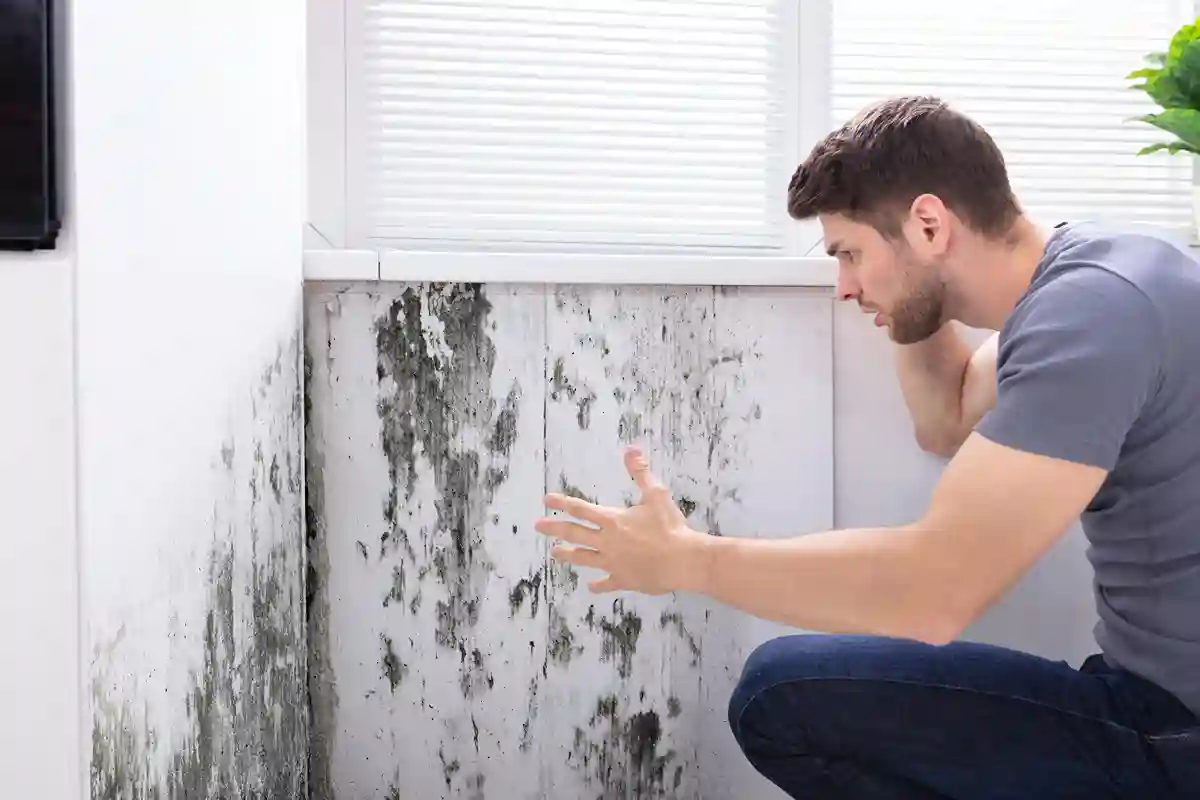
Dealing with water damage is stressful on its own, but the risk of mold makes it even more challenging. Once moisture lingers, mold can start to grow quickly and cause bigger problems for your home and your health.
If you’ve recently had a leak, flood, or burst pipe, knowing what to do next can make a big difference. Let’s go through how to prevent mold after water damage with simple steps, practical advice, and clear guidance.
With the right approach, you can protect your home, reduce future repairs, and keep your space safe and healthy.
Why Acting Fast Matters
Consider the following: you enter your home and see a puddle caused by a burst hose behind your washer. You turn it off, wipe it down, but leave the wet drywall because you are busy. A day or so later, you smell a light musty odor, and you also notice a small dark stain somewhere along the baseboard. That’s mold starting.
Under the proper conditions, mold will begin growing within 24-48 hours in a moist environment. So the clock is ticking fast when you want to prevent mold after water damage. Let’s dive into what you can do.
Recognizing the Signs of Mold After Water Damage
Before we come to the question of prevention, let’s see how you will find trouble might be brewing:
- Sticky or musty odor in an area that shouldn’t smell that way.
- Tangible discoloration or fuzzy spots on walls, baseboards, or ceilings.
- Darkened drywall, peeling paint or wallpaper, or warping surfaces.
- Allergy-like symptoms (such as sneezing, coughing) that flare up as soon as you enter the house.
As mold grows quickly, it is important to be wary of these signs.
Step-by-step: How to Prevent Mold after Water Damage
Here’s a viable plan that you can follow to prevent mold after water damage.
Shut off the water supply and evacuate the standing water
As soon as you notice the leak, turn off the water supply where possible and seek professional help if the leak is major. Standing water should be removed as soon as possible using mops, wet/ dry vacuums, or pumps. The more water is left, the bigger the risk of mold.
Dry everything thoroughly
- Use fans, open windows (when possible), and install dehumidifiers.
- Target drying in 24-48 hours, as this is when mold spores begin to take root.
- Remove saturated carpets, furniture, drywall, and insulation if they cannot be fully dried.
Clean and disinfect
When dried (or rather, partly dry), wash the surfaces with a mild detergent solution. If the water has been contaminated (e.g., sewage or flooding), additional disinfection is required.
The U.S. Environmental Protection Agency (EPA) regulations emphasize that drying must occur within 48 hours and that porous materials should be disposed of if they remain wet for too long.
Fix the root causes
- Drying and washing help, but unless you eradicate the root cause, mold will likely reappear.
- Fix roof, plumbing, and window leakages.
- Enhance air circulation in cellars, attics, and crawl spaces.
- Install a humidifier if your house is all too often humid (particularly in those parts of the United States that experience wet weather).
To prevent moisture from creeping back, ensure that water runs as far away from your foundation as possible (gutters, downspouts).
Monitor & inspect
When cleanup and repairs are made, observe the area. When you smell something out of place, notice discoloration, or feel humidity again, repeat the remediation process. Being proactive is essential to preventing mold after water damage.
Real-world Example
The Insurance Information Institute (I.I.I.), a non-profit organization fully sponsored by the home-insurance industry, emphasizes that the key to preventing mold after water damage is proper home maintenance and prompt drying after the damage occurs.
They recommend that homeowners dry wet materials within 24-48 hours, clean and disinfect the floors after flooding or plumbing leaks, and eliminate the moisture source.
It essentially means the following: a homeowner observes a small amount of roof leakage, promptly makes the necessary repairs, uses fans and dehumidifiers, and carries the wet drywall and carpet outside as soon as possible.
Early detection prevents musty smells and can easily identify mold spots that are likely to spread to poorly maintained, damp areas.
Why Prevention is Better than a Cure
Treatment of mold problems might cost thousands of dollars, not to mention the toll it takes on your health. One study estimates that the cost of moisture- and mold-related health impacts in the U.S. exceeds US$22 billion.
Mold can spread behind walls, in insulation, or in the HVAC system. Well, once you see it, it has already spread. It is much easier and less expensive to act rather than to react.
When to Call a Pro
If the following conditions are met, then you need to call in a professional:
- The area of water damage is big (more than approximately 10 sq ft), or the water is contaminated.
- You’ve noticed the presence of mold or musty odors.
- Moisture or humidity keeps coming back.
- Someone in the house is experiencing breathing problems, allergies, or has a weakened immune system.
Professionals can carry out moisture detection, mold testing, and complete remediation as necessary.
Wrapping it Up
Let’s bring it all together: If you’ve experienced water damage, your goal should be clear: prevent mold after water damage before it sets in. Act quickly: stop the water source, extract standing water, thoroughly dry everything, clean & disinfect, address underlying issues, and continue to monitor. Recognize the signs of mold after water damage so you catch it early.
Your body and your house will say thank you.
When you need a thorough inspection, including the detection of hidden moisture and mold testing, it is time to request the services of The BrickKicker.
We conduct high-quality inspections and environmental testing that will give you peace of mind. Book an appointment today and secure your most valuable possession.