House Hunting? Watch Out for These 10 Red Flags in Home Inspections
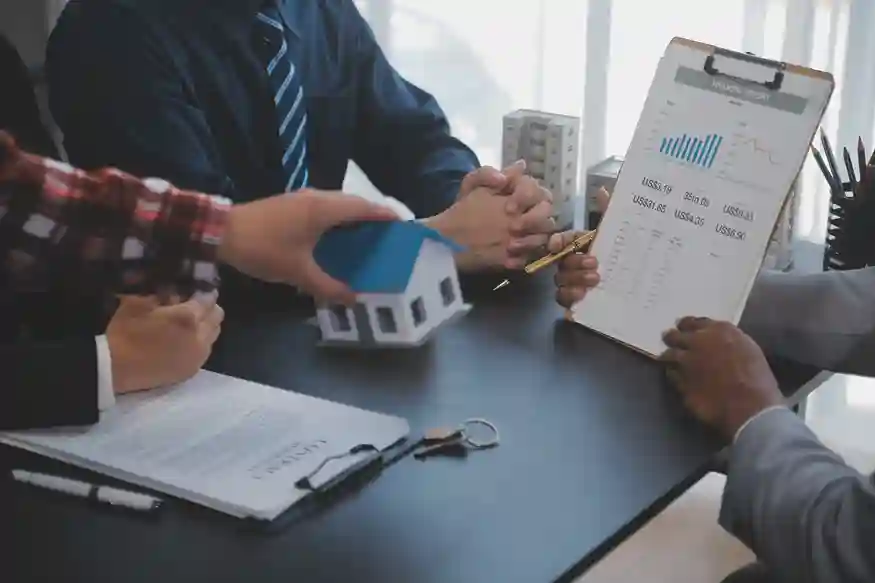
You’ve found a home that feels perfect, has a great location, a beautiful layout, and plenty of potential. But before you start picturing your first dinner party, it’s worth asking: what might be hiding beneath the surface?
A home inspection can uncover small fixes, but it can also reveal serious red flags that signal costly problems ahead. Let’s go through ten inspection warning signs every buyer should watch for before committing to a home.
Home Inspections Red Flags to Watch Out for During House Hunting
Every buyer wants to know what they are getting against their biggest investment. A thorough inspection by a qualified professional can uncover everything from structural issues to safety hazards. Here are 10 red flags that could signal trouble in a home:
Foundation Problem
The integrity of the whole structure of a house depends on the foundation. Any issues here can spell big trouble. Cracks in the walls, uneven floors, or doors that stick might seem minor, but they can point to serious structural problems.
The major cause of foundation problems is ground shifts beneath the home or natural events like earthquakes. It is better to consult structural engineers before buying a home with foundation issues.
Water Damage and Mold
Water damage is sneaky. It can hide behind walls or under floors. It reveals itself when it is too late. The Environmental Protection Agency (EPA) warns that water damage can lead to mold growth in just 24-48 hours, which can harm both your health and the home’s structure.
Leaks can harm your home’s structure. It is a must to check for stains on ceilings or walls, musty smells, or warped flooring. Basements and crawlspaces are prone to dampness.
Roof Issues
A damaged or aging roof can turn a cozy home into a soggy mess. The National Roofing Contractors Association says most asphalt shingle roofs last 20-25 years, but neglect or storm damage can shorten that lifespan.
Replacing a roof can cost tens of thousands of dollars or more, depending on the size, so it is a red flag you can’t ignore. While buying a home, always ask for the roof’s age or maintenance records.
Electrical Hazards
Faulty electrical systems can pose a serious danger to your family. The National Fire Protection Association reports that electrical issues cause about 45,000 home fires annually in the U.S.
If there are flickering lights, non-working outlets, or an outdated fuse box, you may need a full rewiring before moving into your new home.
Plumbing Problems
Plumbing issues can range from annoying drips to full-blown disasters. Inspectors check if there are outdated pipes like galvanized steel or polybutylene, which are prone to leaks and corrosion.
Slow drains, low water pressure, or gurgling noises from pipes. Water stains or corrosion around fixtures are also red flags.
HVAC Troubles
A reliable heating and cooling system is essential, but an old or poorly maintained HVAC unit can leave you sweating or shivering and paying for costly repairs.
If the HVAC system is more than 10-15 years old, there is uneven heating or cooling, or there are strange noises from the unit, the system can be problematic. Dirty ductwork or missing insulation can also signal trouble.
Mold and Mildew
Mold is a health hazard and a sign of bigger problems like leaks or poor ventilation. Mold exposure can cause respiratory issues and allergies, especially in sensitive individuals.
Black or green spots on walls, ceilings, or in basements, paired with a musty odor. If the inspector suspects the presence of mold in your home, they may recommend a professional mold test.
Pest Infestations
Termites, rodents, or other pests can do serious damage to a home’s structure and systems. The presence of pests also indicates moisture or structural issues.
Professional home inspectors look for wood shavings, droppings, or chewed wires. Your inspector might find termite tunnels or rodent nests in the attic or crawlspace.
Poor Drainage
If water pools around the house or flows toward the foundation, you’re setting yourself up for trouble. Poor drainage can lead to basement flooding, foundation damage, or mold growth, all of which are costly to fix.
Fixing drainage can cost a lot of money. So get an inspection to check standing water near the house, eroded soil, or a yard that slopes toward the foundation. Clogged gutters or missing downspouts are also red flags.
Asbestos or Lead Paint
Older homes may contain hazardous materials like asbestos or lead paint. Both of these pose serious health risks. The EPA warns that asbestos can cause lung issues, while lead paint is especially dangerous for children.
Detecting popcorn ceilings, old insulation, or peeling paint in older homes. Your inspector may recommend testing for these materials.
House Hunting Tips to Stay Ahead of the Game
After being aware of the home inspection red flags, you just need the following tips to stay ahead of the game while buying a home:
- Choose a qualified inspector who is certified by ASHI or interNACHI.
- Attend the inspection and ask questions about the issues.
- Don’t ignore the report; there can be red flags in the house.
- Negotiate wisely by using the inspection report.
- If there are multiple red flags, know when to walk away.
Conclusion
House hunting is an adventure, but it is not without risks. A thorough home inspection can help you know if anything in the home is problematic. You should focus on the tips while hunting for your dream home to make the best possible decision.
Schedule your inspection if you have found your dream home, and know if there are any home inspection red flags in the house. Certified home inspectors of The Brickkicker are always here to help you make the best decision while making a purchase.