Avoid These Costly Mistakes When Building Your Dream Home
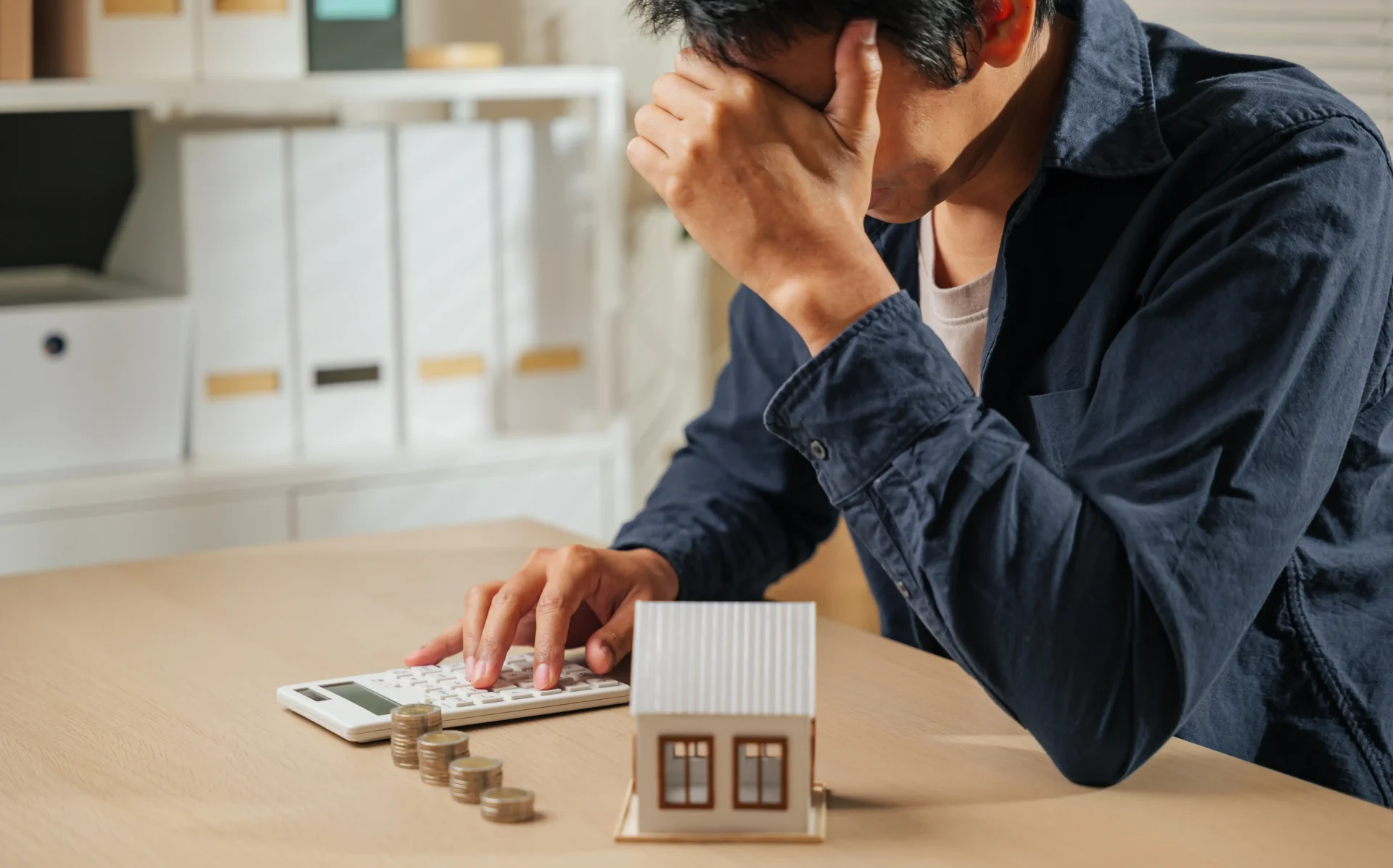
Building a dream home is one of the most exciting journeys of your life. You pick the perfect layout and choose finishes that reflect your style. The process has a lot of responsibilities. The surprising fact is that decisions you make during construction have a lifetime impact on your home. Mistakes made during construction can cost you tens of thousands of dollars.
If you proceed with the right planning and professional guidance, most costly mistakes can be avoided when building a house. To protect your investment, make sure that everything is being built right.
Why Common Mistakes During Building a Home Are So Expensive
Unlike a small repair in an existing home, mistakes made during construction are often “built in.” That means you might not notice them until serious problems appear years later, and you have to redo an entire section of the house. For instance, some common costly mistakes are:
- A poorly waterproofed foundation that looks fine, but could lead to structural damage later
- Incorrectly installed wiring that may work fine at the moment, but could pose a serious safety hazard.
- An HVAC system that’s the wrong size can waste energy for decades.
By the time these problems show up, warranties may have expired, contractors may have moved on, and you’ll be the one footing the bill.
How to Avoid Costly Mistakes When Building a House
The best way to deal with problems is to prevent them from happening. If you take the following steps while your house is being built, you can avoid costly mistakes.
- Schedule Professional Inspections at Every Stage
One of the biggest costly mistakes when building a house is skipping third-party inspections. Many homeowners assume that the builder’s inspections are enough, but those are not neutral. Those inspections are designed to protect the builder, not you.
A professional home inspector works for you and has no stake in cutting corners. For a new construction, inspection is usually scheduled in three phases:
- Foundation Inspection: Before the concrete is poured
- Pre-Drywall Inspection: When framing, plumbing, and wiring are in place and visible.
- Final Inspection: Before you sign off and move in.
- Take Your Time with Planning
The construction phase may lead you to rush through decisions. This trap can lead to regrets. Your home should be designed for comfort, function, and long-term value. Things you need to consider carefully are:
- Storage Space: You’ll never regret having more closets, but you might regret not having enough.
- Lighting: How natural light enters a room can make or break its feel.
- Future Use: Don’t ignore your future plans. If you plan to extend a section of your home, plan it today.
Homeowners often discover later that they should have considered certain things when designing the home. Careful planning can make future renovations and extensions easy.
- Build a Realistic Budget
Another costly mistake is underestimating the budget. Many people budget only for the builder’s base price. They forget about the dozens of extras that add up:
- Permit fees
- Utility hookups
- Landscaping and driveways
- Upgrades and finishes
- Independent home inspections
Unexpected costs can occur at different stages, such as if the soil needs extra reinforcement before laying the foundation. Therefore, you need a realistic budget with a cushion for unseen expenses.
- Don’t Cut Corners on Materials
When your budget is tight while building a home, choosing cheaper options is tempting. But remember, your home is meant to last decades. Saving a few hundred dollars today can cost you thousands later. For example:
- Using cheap shingles may raise roofing problems within a few years.
- Low-quality windows waste energy and drive up utility bills
- Cheap plumbing fixtures and pipes are prone to leaks
Quality materials are not just about durability; they keep your home in good condition and save a lot in the long run.
- Pay Attention to the Foundation and Structure
The foundation of your home literally supports the entire building. If it isn’t done right, everything else suffers. Unfortunately, foundation problems are among the most expensive to fix later. Poor foundation work can lead to:
- Cracks in walls and floors
- Uneven floors
- Water damage in the basement
- Mold from moisture intrusion
Catching problems early can help build everything correctly.
- Plan for Energy Efficiency and Proper Ventilation
Energy efficiency isn’t just about helping the environment; it is about saving money every month. Many new homes look great, but waste energy because of small oversight:
- Poor insulation in attics or walls
- Leaky windows and doors
- HVAC systems that are the wrong size
- Inefficiency ductwork
Ventilation is really important in houses. Without it, moisture builds up, leading to mold, wood rot, and poor air quality.
Common Mistakes in New Homes
Despite being conscious, homeowners fall for some common mistakes while building a new home. Those mistakes are:
- Ignoring the fine print of agreements
- Designing the home for today without future planning
- Overlooking the small details during construction
- Relying too much on the builder’s word
These mistakes can be minimized or completely avoided if you get to know about them in good time.
Final Words
By avoiding common mistakes when building a home, you can have your perfect dream home. However, checking for mistakes might not be easy, so you need the help of professional inspectors. Having inspections during the construction process ensures that your home is being built safely, efficiently, and exactly as you imagined it. Get your inspection from The BrickKicker to ensure that your home will be a place of joy, not a source of unexpected expenses.