Most buyers or sellers don’t take the dangers of radon seriously during a real estate transaction. However, it often becomes a topic of discussion during a home inspection.
This guide is for both buyers and sellers, covering what radon is, why radon testing comes up in real estate transactions, and how it affects the sale agreement. So, let’s just begin.
What Is Radon
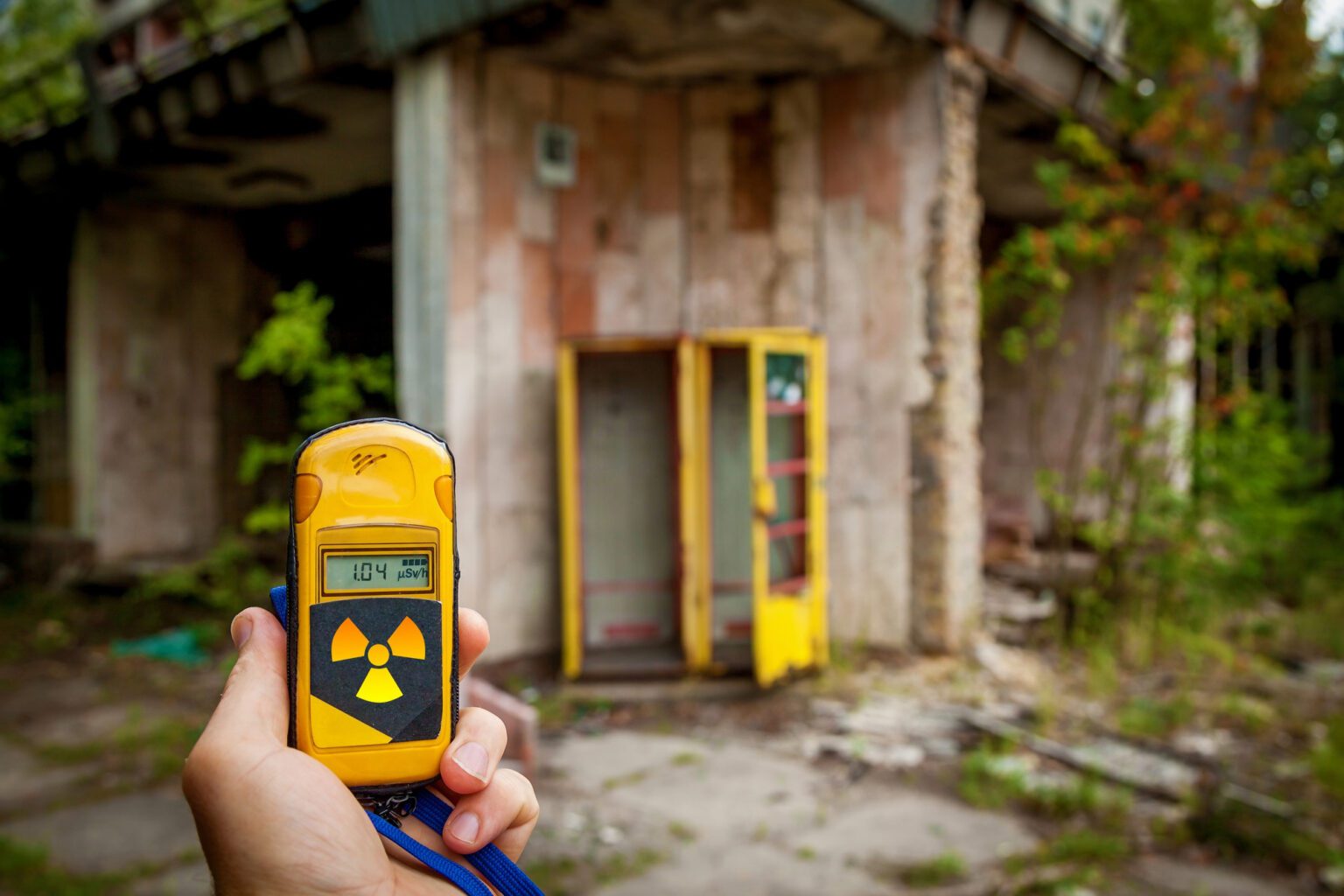
Radon is a naturally occurring radioactive gas. It comes from the normal breakdown of uranium in soil and rock beneath the ground. You can’t see, smell, or taste it. This secret hazardous gas moves up from the ground and enters homes through:
- Cracks in foundations
- Gaps around pipes
- Crawlspaces
- Basements
- Slab joints
Once inside, it can build up, especially in lower levels of the home. According to the Centers for Disease Control and Prevention (CDC), radon is the second leading cause of lung cancer in the United States, after smoking. That’s why it gets attention during real estate transactions.
Radon Testing as a Real Estate Issue
Radon isn’t about whether a home is good or bad. It’s about the location and geology. It has nothing to do with cleanliness or maintenance. That means:
- New homes can have radon
- Older homes can have radon
- Well-maintained homes can have radon
- Homes with no visible issues can still test high
Radon is invisible and unpredictable. The only way to know a home’s radon level is to test for it. The homebuyers now prefer getting a test before making a purchase.
Why Buyers Request Radon Testing Before Buying a Home
Buyers usually request radon testing to determine whether the home is prone to radon or not. Radon doesn’t usually show up suddenly. It exists before the purchase. Testing just reveals what’s already there. Buyers often choose radon testing before buying a home because:
- It provides clear, actionable information
- It helps avoid future surprises
- It allows time to negotiate if levels are high
This environmental test, separate from a standard home inspection, helps buyers to make the right decision during a real estate transaction.
How Radon Testing Affects the Purchase & Sale Agreement
This is where radon becomes more than just a health topic; it becomes a contract topic.
- When Radon Test Results Are Low
The Environmental Protection Agency (EPA) recommends radon levels to be between 2 pCi/L and 4 pCi/L. If radon levels are below 4.0 pCi/L:
- The transaction usually moves forward
- No changes to the agreement are needed
- Buyers get peace of mind
This is the most common and straightforward outcome.
- When Radon Test Results Are High
If radon levels come back at or above 4.0 pCi/L, buyers typically negotiate for the appropriate solution. Common outcomes of the discussion at the negotiation table include:
- Seller agrees to install a radon mitigation system
- Seller offers a credit for mitigation
- Buyer accepts the home as-is
- Buyer walks away (if contract allows)
Radon findings often trigger negotiation, not deal cancellation.
Does Radon Stop a Home Sale
Radon is one of the most manageable inspection findings in a real estate transaction. Unlike structural or sewer issues:
- Radon mitigation is well understood
- Costs are relatively predictable
- Solutions are widely available
In many cases, radon issues are resolved before closing with minimal disruption.
When Radon Testing Makes the Most Sense
You should strongly consider radon testing before buying a home if:
- The home has a basement or crawlspace
- The home is located in an area known for radon
- You plan to finish or use lower-level spaces
- You want full information before closing
Given the low cost of testing compared to the potential health risks, many buyers see radon testing as a smart precaution.
Can Radon Affect Real Estate Transactions
Radon testing provides information, not judgment. It helps buyers make informed decisions and gives sellers a clear path forward if mitigation is needed. In most cases, radon:
- Does not stop a sale
- Does not mean a home is defective
- Can be addressed efficiently and effectively
When buyers and sellers understand radon, the purchase and sale agreement stays focused on a solution instead of stress. When purchasing a property, it is always in your best interest to have a radon test performed by a licensed expert, such as The Brickkicker. It can help you to maintain a safe living environment in your space.