10 Common Winter Household Problems (and How to Prevent Them)
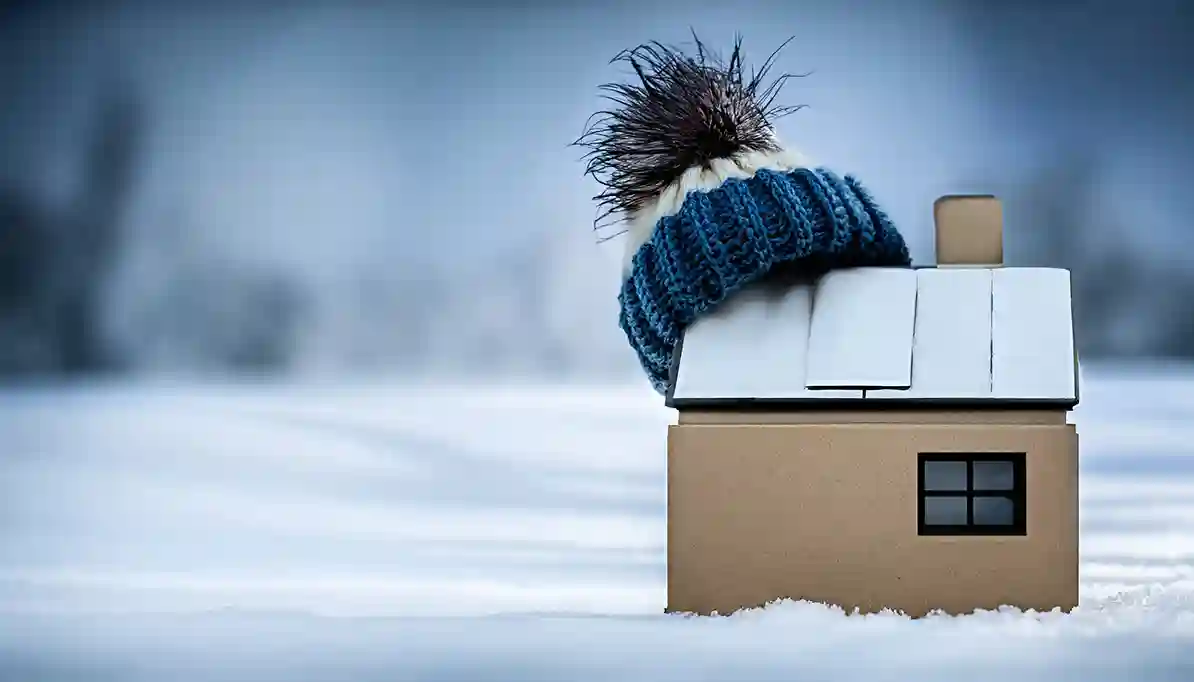
Winter may look beautiful from the outside, but inside your home, it can cause problems you’d rather avoid. Frozen pipes, skyrocketing heating bills, and hidden moisture damage are just a few of the issues that catch homeowners off guard each year.
The good news is that most of these headaches can be prevented with a little preparation. In this blog, we’ll cover ten common winter household problems and how to stop them before they become costly.
1- Frozen or Burst Pipes
Why it happens: When temperatures fall below the freezing point, water contained in the pipes (particularly those in unheated areas, such as basements, attics, or outer walls) will freeze. Ice can expand inside a pipe, potentially cracking or bursting and causing severe damage.
What makes it one of the most common household issues: A study shows that 21% of U.S. homes are vulnerable to frozen pipes every winter season. Frozen pipe insurance claims average $ 18,000 per incident.
Prevention tips
- Apply insulation (such as slip jackets or heat tapes) to the open pipes.
- Allow faucets to drip a little on very cold nights, to ensure the water flow.
- Set the thermostat to a comfortable low level, day and night.
- Seal up drafts in and around door frames, windows, and pipe entrances to the home to prevent plumbing from being exposed to cold air.
2- Poor Insulation, Air Leaks, and Drafts
Why it happens: The heat is escaping through openings around windows and doors, through uninsulated attic flooring, or through improperly sealed ductwork. The consequence: drafts, a poor heating system, and excessive energy costs.
Why in winter: According to a survey of U.S. homeowners, air leaks or drafts were among the top issues (22% of respondents) associated with winter-related damages.
Prevention tips
- Weatherstrip or caulk windows and doors.
- Use threshold seals at doors.
- Install attic, crawlspace, and exterior wall insulations (where feasible).
- Conduct a home energy audit. This can be conducted through an infrared scan, which reveals where heat is escaping.
3- Ice Dams & Roof Leaks
Why it happens: Ice dams develop when snow on a warm roof melts down to its edge (eaves) and then re-freezes. Water accumulated behind the dam seeps beneath shingles and finds its way into the interior walls or ceilings. Eventually, this may harm insulation, rafters, and drywall.
Example: Poorly insulated attics in cold-climate states, such as Maine, Vermont, and New Hampshire, are struck badly. According to data, a high percentage of homes are likely to suffer due to snow loads and ice dams.
Prevention tips
- Ventilate and insulate the attic properly to ensure that the roof surfaces are closer to the outside temperature.
- Get a roof rake to sweep off the roof eaves.
- Always keep your gutters clean to ensure they drain water effectively.
- Install heat cables in problem areas as needed.
- Once the leaks begin, repair them immediately to prevent the mold or structural damage.
4- Mold and Mildew Growth
Why it happens: Winter can also increase dampness indoors (from leaky roofs to ice dams), less ventilation, and condensation on chilled surfaces. Dampness plus heat equals mold and mildew.
Why it is important: Mold not only affects the construction materials, but also results in health complications (compromised respiratory system, asthma, and allergy). Even the mold behind the walls or insulation can be a serious matter.
Prevention tips
- Ventilate bathrooms and kitchen (use exhaust fans).
- Dry leaks immediately.
- Keep humidity (within the house) at an average between 30% and 50%.
- Check attics and crawl spaces for moisture after the snow melts.
- Install dehumidifiers in damp basements or any other problem areas.
5- Heating System Failures
Why it happens: During winter, the heating systems work harder. Machines that are not properly maintained can break down. Filters get clogged. Thermostats falter.
Likely reasons: In a survey, HVAC (heating, ventilation, air conditioning) issues were among the top-reported household problems during winter.
Prevention tips
- Before the chill sets in, have your heating pump or furnace repaired, change clogged filters, and lubricate moving parts to ensure optimal performance.
- Replace weak parts (belts, ignition components, etc.).
- Consider some alternative source of heating (wood stove, electric backup) in case you are living in areas where power outages occur.
- Keep vents clear of furniture, rugs, and other obstructions to allow air to pass through.
6- High Energy / Heating Bills
Why it happens: When homes are insufficiently insulated or drafts are widespread, the heating systems are forced to make additional effort. Moreover, energy bills frequently rise during the winter.
Statistical information: According to an opinion poll, nearly 45% of American homeowners say they are concerned (very or extremely) about their ability to pay for heating this winter.
Prevention tips
- Seal air leaks as above.
- Install programmable or smart thermostats that will lower the heat when you are away or sleeping.
- Upgrade insulation in the attic, walls, and floors where possible.
- Use heavy curtains and carpets to help minimize window and floor drafts.
7- Power Outages & Storm Damage
Why it happens: Winter storms bring ice, snow, and strong winds. Power lines are often struck by falling tree limbs. Heavy snowfall can bring down branches or cause roof damage.
Why is it one of the most common household problems during the winter months: Statistics rank power outages among the most serious risks associated with the winter weather phenomenon.
Prevention tips
- Cut down trees around your residence with overhanging branches before winter sets in.
- Keep surge protectors for electronics.
- Take into account a supplementary power supply ( generator, or battery-powered arrangement).
- Ensure your residence is airtight to prevent cold air from pushing warm air outside in the event of a power outage.
8- Cracks in Foundations, Flood over, and Snow Melt Problems
Why it happens: This happens when the snow thaws (during the winter or in early spring) and water pours down through the cracks in foundations. The poor drainage situation in the area surrounding your house will ensure that water collects on the perimeter of the foundation, resulting in leakages, subcellar flooding, or dampness.
Why it is important: Nearly 28% of all home insurance claims are due to water damage and freezing.
Prevention tips
- Grade landscaping will slope away from your house.
- Extend downspouts so the water flows away past the foundation.
- Seal foundation cracks before winter.
- If you have a basement, install or maintain sump pumps.
9- Risk and Safety Problems of Carbon Monoxide and Heating
Why it happens: The more heating systems, fireplaces, wood stoves, or portable heaters are used, the more Carbon Monoxide is likely to leak out, burn, or smoke. Additionally, non-ventilation may trap the byproducts of combustion inside the house.
Why it is among common winter household problems: According to the U.S. Fire Administration, house fires are highest in the months of December through February, and carbon monoxide poisoning is also a significant concern.
Prevention tips
- Install carbon monoxide detectors in the sleeping compartments and check them monthly.
- Use chimneys, vents, and heating systems, and inspect them regularly.
- Air conditioning or fireplace should be used properly; never block ventilation.
- Ensure the safe use of space heaters by maintaining a distance between them and flammable substances.
10- Ice, Snow, and Outside Physical Hazards
Why it happens: Fall injuries occur due to slippery sidewalks, snow, ice-covered driveways, steps, etc. Snow accumulation on roofs can fall off and cause damage to property or harm human life. Storm debris can damage siding, gutters, and windows.
Why it’s common: Winter storms normally involve snow, ice, and freezing rain. These are outdoor hazards that are a common complaint during the post-storm period.
Prevention tips
- Keep pavements, steps, and walkways salted, sanded, or swept clear.
- Use roof rakes to clear heavy snow.
- Take down or secure loose outdoor furniture or decorations.
- Inspect the trees frequently and trim any dead branches that may collapse due to the weight of snow/ice.
Conclusion
Any home may be put through a test by winter. Whether it is burst pipes or skyrocketing energy bills, these household problems can easily be prevented if you follow a few precautionary measures beforehand.
The effort and expenditure of preparing properly for winter is always much less than the cost of negligence. Tackle insulation, test heating pipes, seal leaks, and be vigilant. In this way, as soon as the snow begins to fall, you can remain warm, safe, and worry-free.
Don’t wait for the next winter emergency to call for help. The BrickKicker will provide professional testing, in-depth moisture testing, and expert consultation services.
There can be leaks under the floorboards, insulation failure, unsafe heating systems, or any other reason; our certified staff will provide you with peace of mind and secure your home. Call The BrickKicker today to schedule a home inspection and secure your home before winter storms hit.