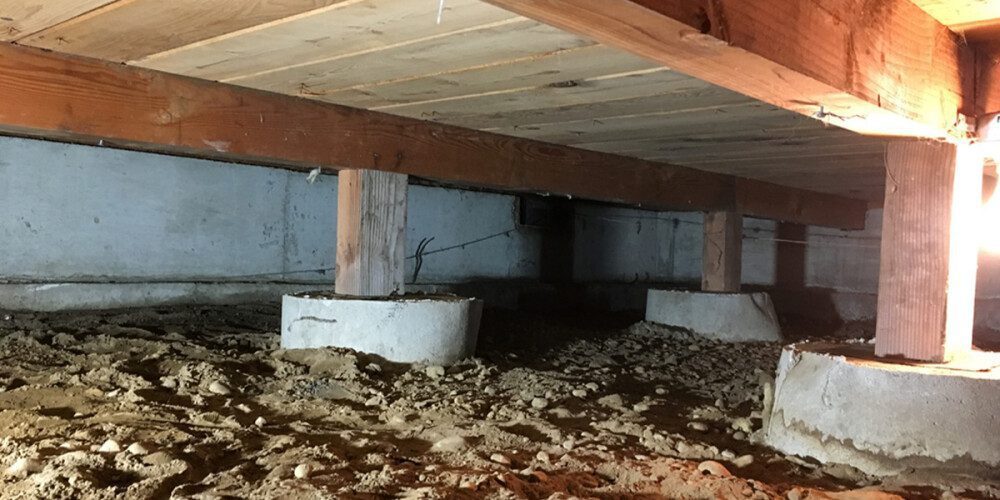

When you’re renovating, it’s easy to think of joists as just beams hidden under the floor. Cut a notch here, drill a hole there, how much harm could it really do? The truth is, one wrong cut can weaken the entire structure of your home and lead to costly repairs down the road.
That’s why joist notching and boring aren’t just technical details for builders. It’s a critical safeguard for your home’s safety and value. In this blog, we’ll show you why following the right rules matters and how it protects your renovation from becoming a nightmare.
What Are Joist Notching and Boring
- Joist notching: This is the process of creating a hole in the side or one edge of a joist, typically to accommodate ducts or pipework.
- Joist boring: This process comprises drilling round holes in the body of the joist, typically to accommodate wire or pipe.
Properly fitted, they let everything fit. But if done poorly, they undermine strength.
Why Joist Notching and Boring Matters
Here’s a quick lowdown on why you cannot afford to ignore joist notching and boring.
- Makes your home secure: Your floors’ ability to withstand stress is a function of how joists disperse the load. Wrong cuts can weaken them.
- Assists you in passing inspection: Building inspectors conduct a close inspection of these details; you don’t want to fail because of poor notches and bored holes.
- Prevents expensive mistakes: Post-renovation structural repair is expensive. Joist notching and boring can help you avoid costly mistakes.
Let us now explain to you the what and how of it without jargon.
The By-Laws You Cannot Ignore
And here is the language of the International Residential Code (IRC) on safe practices (via CodeNotes on IRC, May 2024):
- Notches in solid lumber joists must not exceed 1/6 of the joist depth, can’t be longer than 1/3 depth, and must stay out of the middle third of the span.
- At the ends of joists, notches can be up to 1/4 depth
This is reflected in the New York City Building Code (August 2025):
- Notches on joist ends ≤ ¼ depth.
- Notches on top or bottom ≤ 1/6 depth, ≤ 1/3 length, and outside the middle third.
- Holes must stay 2 inches away from the top or bottom, and have a diameter ≤ 1/3 the depth.
Wisconsin law states the same: Holes must remain at a sufficient distance, must not be larger than necessary, and cannot be placed arbitrarily.
How Real People Talk About It (And Why They’re Smart)
On Reddit, folks share practical wisdom:
“Notches in solid lumber joists … shall not exceed one‑sixth of the depth … not located in the middle one‑third of the span. Notches at the ends … shall not exceed one‑fourth the depth of the member.”
And someone doing DIY wiring warned:
“The only rules I know are (1) no notching edges in the middle third, (2) no holes closer than 2 inches, and (3) no hole larger than 1/6 height of joist.”
These voices echo the codes, showing how awareness of joist notching and boring is essential.
Joist Boring Guidelines: Keep It Through the Center
Remember, joist boring guidelines aren’t random; they protect load paths. Holes are required to fork:
- At least 2 inches from top/ bottom.
- Diameter/depth 1/3 or less.
- Located in the centre of the joist depth.
That means to say in the centre, not on the edges, to protect compression and tension zones.
Fast Tips to Follow
- Before notching into joists, always check local code.
- Measure twice, cut once- ensure notches are not over 1/6-1/4 deep.
- Make your holes vertical and position them 2 inches from the top/bottom.
- Notches should be avoided in the middle third of the span.
- When in doubt, seek or engage a professional.
Final Word
When drilling or notching joists, it is best not to improvise. Use these joist notching and boring practices as your guide. They seem conservative, but they are the difference between a future-proof floor and one that will require an expensive fix in the short run.
Following joist boring guidelines and adhering to the code protects your home’s structure, helps you pass inspections, and ensures your peace of mind.
Before you start, make sure that a professional inspects it. The BrickKicker, a trusted home inspection company, specializes in spotting potential structural issues early, including improper joist notching and boring. Our expert, friendly inspectors will leave you worry-free for the future.
Contact The BrickKicker today and ensure your dream home is constructed safely, soundly, and strongly.